Exploring the Leading Pipeline Manufacturers: High Quality, Dependability, and Technology
The pipeline manufacturing market stands at the junction of development, dependability, and quality, driven by leading firms such as Tenaris and Vallourec. These manufacturers are not only devoted to producing high-performance products yet are likewise introducing lasting techniques that deal with modern-day ecological issues. As we take a look at the criteria that define quality in pipeline options, it becomes apparent that the landscape is swiftly evolving. What specific technologies are emerging, and how are these developments forming the future of pipeline infrastructure? The answers may redefine industry requirements in means that are not yet totally understood.
Leading Manufacturers Introduction
In the domain of pipeline manufacturing, numerous principals become leaders, each contributing significantly to the industry's landscape. Business such as Tenaris, Vallourec, and JFE Steel have established themselves as frontrunners by continually supplying premium products that satisfy strict market requirements. Tenaris, renowned for its ingenious options, focuses on seamless and welded pipes, catering primarily to the oil and gas field. Vallourec, a French multinational, concentrates on the production of premium tubular services, emphasizing sustainability and advanced technology in its manufacturing procedures.
Similarly, JFE Steel, a significant Japanese manufacturer, is acknowledged for its considerable range of steel pipelines, specifically those utilized in energy and infrastructure projects. Their commitment to research study and advancement has allowed them to generate high-performance products that stand up to rough ecological problems. Furthermore, companies like united state Steel and National Oilwell Varco have actually broadened their market presence by expanding their item offerings and enhancing operational performances.
These leading makers not only control the marketplace but additionally drive advancement within the market, establishing criteria for top quality and dependability that other gamers aspire to accomplish. Their payments are crucial for meeting the boosting need for sturdy and efficient pipeline options worldwide.
Requirements for Top Quality Assessment
Quality analysis in pipeline manufacturing depends upon two crucial standards: material toughness standards and producing procedure efficiency. Making sure that materials satisfy strenuous sturdiness criteria is essential for the durability and dependability of pipelines. Furthermore, maximizing the manufacturing procedure can improve performance while maintaining premium quality, inevitably affecting total performance and safety.
Product Durability Specifications
Assuring the long life and dependability of pipeline products is essential for maintaining infrastructure stability and functional performance. Product durability criteria play an essential function in examining the quality of pipes, determining the performance and life expectancy of the materials made use of in construction. Manufacturers should comply with a series of rigorous standards, including those established by companies such as ASTM International and the American Oil Institute (API)
These criteria examine various elements, consisting of rust resistance, tensile stamina, and exhaustion efficiency. As an example, pipes utilized in corrosive settings call for products that can stand up to chemical degradation, while those subjected to high-pressure problems have to display exceptional tensile toughness.
In addition, variables such as temperature level changes and environmental problems need to be taken into consideration, as these can substantially influence product habits gradually. Manufacturers typically utilize innovative testing approaches, consisting of accelerated aging examinations, to replicate long-term wear and warranty that materials exceed or fulfill industry criteria.
Manufacturing Process Efficiency
Manufacturers' capacity to optimize making process performance is crucial for producing high-grade pipelines that fulfill strict sector standards. Performance in making directly affects price administration, manufacturing timelines, and overall product honesty. To achieve this, leading pipeline manufacturers carry out advanced techniques such as lean manufacturing, automation, and real-time information analytics.
Lean making principles are crucial in reducing waste and making best use of source utilization. By enhancing procedures and eliminating redundancies, makers can enhance productivity while guaranteeing regular top quality. Automation technologies, including robotics and computer mathematical control (CNC) makers, play a crucial role in enhancing accuracy and minimizing human mistake, thereby elevating the reliability of the end product.
In addition, making use of real-time information analytics permits suppliers to check manufacturing procedures continually, allowing them to recognize traffic jams and make prompt changes. This aggressive approach not just boosts effectiveness yet also sustains top quality assurance methods by making certain conformity with regulative standards.
Dependability in Pipeline Solutions
Dependability in pipeline services is paramount, as it straight influences the safety and security and performance of fluid transport systems. Trick factors include the durability of products made use of, adherence to extensive testing and accreditation requirements, and the incorporation of cutting-edge material services that enhance efficiency. Comprehending these elements is vital for producers intending to provide dependable pipeline framework.
Value of Resilience
Attaining toughness in pipeline options is vital, as it straight impacts the long-term efficiency and safety and security of infrastructure. Sturdy pipes are vital for reducing upkeep expenses and reducing the probability of catastrophic failings. This reliability is specifically important in markets such as oil and gas, supply of water, and wastewater administration, where the repercussions of pipeline failing can be extreme, both financially and ecologically.
The products and producing procedures employed by pipeline producers play a substantial role in figuring out the longevity of the final item. Making use of top quality raw materials, advanced innovations, and cutting-edge layout principles assures that pipes can withstand various stressors, including pressure changes, temperature variations, and destructive settings.
Moreover, the sturdiness of pipes is closely linked to their capability to withstand exterior variables such as dirt movement, seismic task, and chemical exposures. Effective corrosion protection methods, such as coverings and cathodic protection, even more boost the long life of pipes, guarding them against wear and tear in time.
Investing in long lasting pipeline remedies inevitably converts to boosted functional efficiency, reduced downtime, and boosted safety and security, attesting the critical importance of resilience in modern pipeline manufacturing.
Examining and Certification Standards
In the domain name of pipeline options, strenuous testing and certification criteria are vital to ensure the dependability and safety of facilities. These requirements act as standards for reviewing the efficiency and longevity of pipeline products and systems, confirming they meet certain regulatory and market needs.
Testing processes typically incorporate different techniques, consisting of pressure screening, hydrostatic assessments, and non-destructive screening methods. These assessments are necessary for identifying possible weaknesses or flaws in the materials before they are released in real-world applications. In addition, accreditation by identified organizations assurances that makers abide by established standards, which fosters depend on among stakeholders, consisting of engineers, service providers, and end-users.
Several leading pipeline makers take part in continual tracking and renovation of their screening procedures to adjust to progressing sector standards and technological improvements. Compliance with standards such as ASTM, ASME, and ISO not only improves product integrity but also lessens the danger of environmental incidents connected with pipeline failures.
Innovative Material Solutions
The advancement of ingenious product services has actually changed the landscape of pipeline manufacturing, improving both efficiency and durability. Advanced materials such as high-density polyethylene (HDPE), cross-linked polyethylene (PEX), and composite materials have become game-changers, offering remarkable resistance to deterioration, temperature level variations, and stress variations. American Plastics LLC HDPE Pipeline Manufacturer. These products not just extend the lifespan of pipelines however additionally lower upkeep prices, making sure trustworthy lasting efficiency
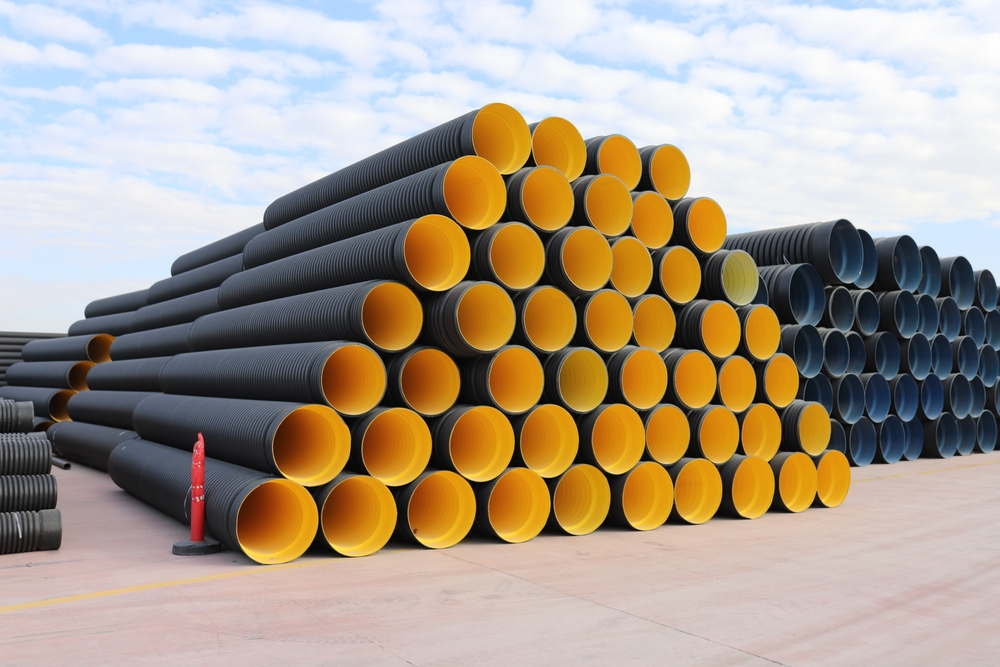
Sustainability is another crucial focus, with makers exploring bio-based composites and recyclable materials that minimize environmental influence. As regulatory requirements proceed to progress, the focus on innovative material options becomes vital in meeting strict safety and security and environmental demands. Inevitably, these developments not only improve the reliability of pipeline systems however likewise add to the overall efficiency and sustainability of energy transport frameworks.
Innovations in Pipeline Modern Technology
Innovations in pipeline technology are reinventing the sector by enhancing efficiency, security, and environmental sustainability. Recent developments concentrate on clever pipeline systems that make use of sensing units and IoT technology to keep track of conditions in genuine time, allowing aggressive upkeep and reducing the risk of failures. These systems can spot leaks, pressure modifications, and other anomalies, permitting for quick response and reducing environmental impact.
In addition, the growth of sophisticated materials, such as composite and corrosion-resistant alloys, considerably expands the life expectancy and reliability of pipes. These products decrease upkeep expenses and enhance efficiency in severe environments, making them ideal for oil, water, and gas transport.
In addition, automation and robotics are playing a crucial role in pipeline building and construction and examination (American Plastics LLC HDPE Pipeline Manufacturer). Drones and robot gadgets help with surveys and evaluations of hard-to-reach areas, making certain complete assessments without endangering security
Innovative layouts, such as modular pipeline systems, allow for greater flexibility in setup and adjustment, providing to the dynamic requirements of the power industry. With each other, these technological innovations not only enhance operational performance but likewise add to a more lasting and resilient pipeline framework, paving the method for a greener future.
Study of Success
Throughout numerous sectors, effective implementations of advanced pipeline modern technologies demonstrate considerable renovations in functional performance and safety. One noteworthy situation is the release of smart pipeline monitoring systems in the oil and gas industry, where real-time data analytics have actually lowered leakage discovery times by over 50%. This not just decreases environmental dangers however likewise improves the overall integrity of pipeline infrastructure.
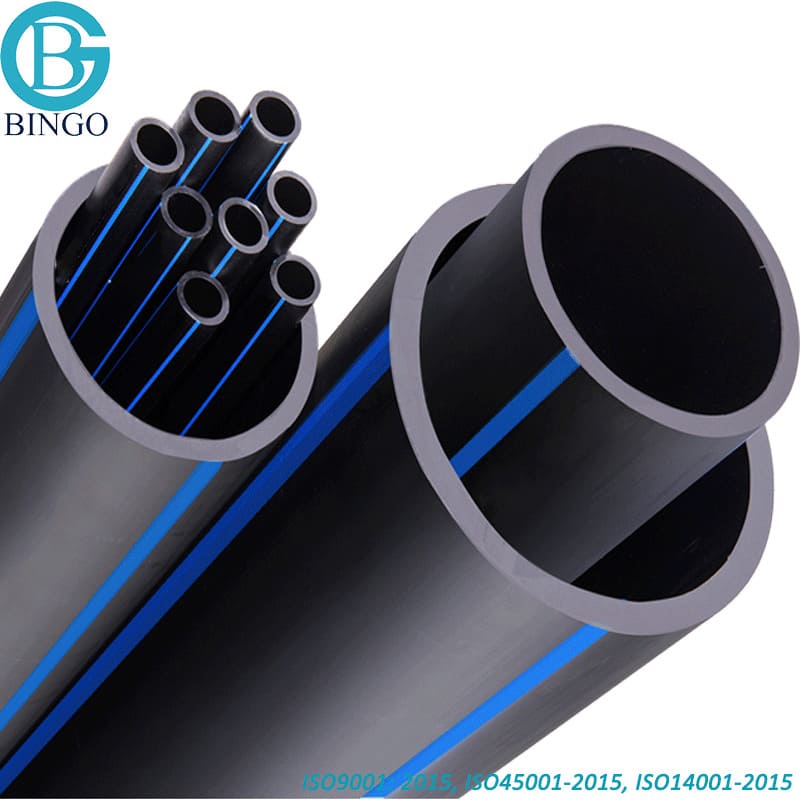
An additional exemplary instance is located in the water circulation field, where the setup of innovative materials, such as high-density polyethylene (HDPE), has actually caused a significant reduction in pipeline rust and upkeep expenses. A major city reported a 30% reduction in water loss due to leaks after upgrading its aging pipeline network with these innovative products.
In addition, a significant manufacturer applied robot examination modern technologies in its pipeline upkeep operations, leading to a 40% enhancement in assessment effectiveness. This technique has streamlined maintenance timetables and substantially minimized downtime.
These study highlight how top pipeline makers are leveraging cutting-edge innovations to cultivate reliability and functional excellence, ultimately establishing new criteria for the industry (HDPE Pipe Supplier). As these successes remain to unfold, they pave the means for additional developments in pipeline manufacturing and management
Environmental Sustainability Practices

Regularly, pipeline manufacturers are focusing on ecological sustainability techniques to mitigate their environmental impact and improve the long life of their items. This dedication is reflected in different efforts targeted at reducing waste, conserving energy, and utilizing sustainable materials throughout the manufacturing process.
Lots of suppliers are adopting sophisticated modern technologies that minimize emissions and energy consumption. The integration of automated systems and energy-efficient machinery aids streamline production while decreasing reliance on fossil fuels. In addition, firms are increasingly transforming to environmentally friendly materials, such as recycled metals and bioplastics, which not only reduce the ecological influence yet additionally promote a circular economic situation.
Pipeline makers are carrying out rigorous lifecycle assessments to evaluate the ecological ramifications of their products from beginning to disposal. This method allows them to determine chances for improvement and foster responsible sourcing and waste management techniques.
Partnership with environmental companies even more improves these efforts, as producers look for to align their operations with global sustainability goals. Ultimately, these environmental sustainability techniques not only add to a much healthier earth however additionally placement makers as accountable leaders in the industry, attracting ecologically aware stakeholders and clients alike.
Future Patterns in Pipeline Manufacturing
As the need for a lot more effective and lasting facilities expands, pipeline manufacturing is poised for substantial improvements that will certainly reshape the sector. Secret fads anticipated in the coming years consist of the integration of sophisticated products, such as corrosion-resistant and composite alloys, which enhance durability while lessening environmental effect. Manufacturers are additionally expected to embrace ingenious manufacturing techniques, like additive manufacturing and automation, to enhance procedures, decrease waste, and reduced costs.
The increase of clever pipeline technologies, incorporating sensors and IoT gadgets, will make it possible for real-time surveillance and anticipating upkeep, thereby improving security and operational effectiveness. This electronic improvement will not find out just maximize source monitoring yet additionally assist in conformity with rigid environmental policies.
Sustainability will certainly stay a main emphasis, driving makers to purchase environment-friendly methods, including energy-efficient production techniques and recycling initiatives. As the global emphasis on environment modification magnifies, pipeline producers will require to adjust by establishing remedies that satisfy both financial and ecological needs.
Often Asked Questions
What Industries Mainly Utilize Pipeline Products From These Manufacturers?
Pipeline products are primarily made use of in markets such as oil and wastewater, water and gas monitoring, chemical building, mining, and handling. These fields depend on effective, durable, and risk-free transportation of liquids and products.
Exactly How Do Manufacturers Ensure Conformity With International Pipeline Specifications?
Manufacturers guarantee conformity with international pipeline criteria by applying extensive quality assurance processes, performing routine examinations, sticking to recognized governing frameworks, and buying staff member training to promote recognition and understanding of security and top quality demands.
What Is the Average Life-span of Pipelines From Leading Manufacturers?
The average life expectancy of pipes from leading manufacturers typically varies from 30 to 100 years, relying on material, environmental problems, and maintenance methods. American Plastics LLC HDPE Pipeline Manufacturer. Regular examinations and adherence to industry criteria noticeably influence durability and efficiency
Are There Certifications Particular to Pipeline Production High Quality?
Yes, numerous certifications exist for pipeline producing top quality, consisting of ISO 9001 for high quality monitoring systems and API standards particular to pipes. These qualifications ensure adherence to strenuous safety and security, performance, and ecological standards within the market.
Just How Do Manufacturers Handle Pipeline Maintenance and Repairs?
Manufacturers normally implement a proactive maintenance method that consists of normal evaluations, checking systems for very early detection of issues, and a structured repair service procedure (HDPE Pipe Supplier). This strategy assurances pipeline honesty, reduces downtime, and improves general operational performance
Quality analysis in pipeline manufacturing pivots on 2 essential criteria: material toughness requirements and producing procedure effectiveness. Product toughness standards play an important role in evaluating the quality of pipelines, dictating the efficiency and life-span of the products used in building. The materials and manufacturing processes used by pipeline manufacturers play a significant duty in establishing the longevity of the last product. The typical lifespan of pipes from leading makers normally ranges from 30 to 100 years, depending on product, ecological conditions, and maintenance techniques. Yes, different certifications exist for pipeline manufacturing top quality, including ISO 9001 for quality monitoring systems and API requirements details to pipelines.
Comments on “How to collaborate with a Pipeline Manufacturer”